Vitamin B12 (Methylcobalamin)
The Active Nerve & Energy Vitamin
The biologically active coenzyme form of vitamin B12, essential for red blood cell formation, nervous system, and energy metabolism.
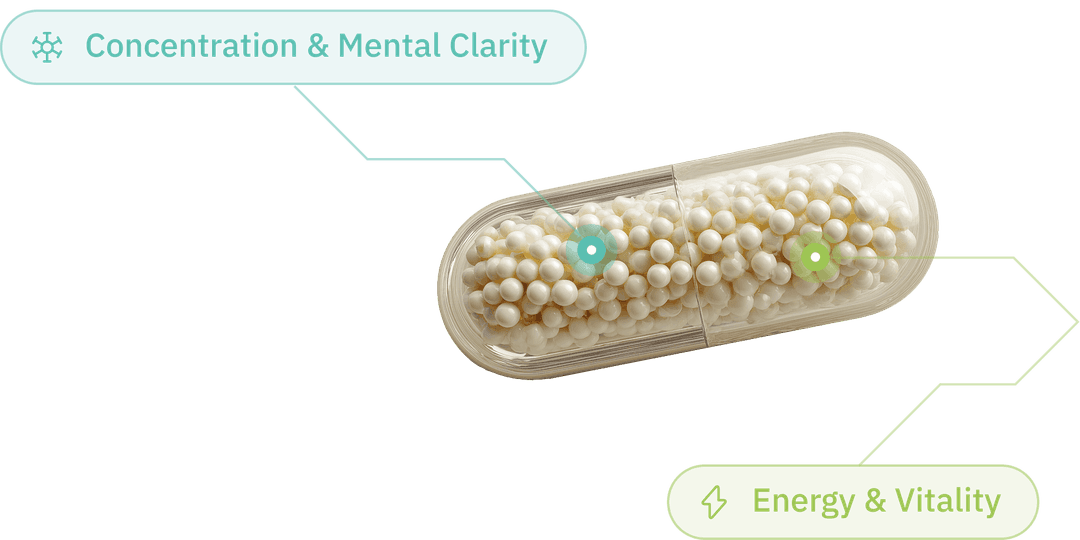
What is Vitamin B12 (Methylcobalamin) Good For?
Vitamin B12 is crucial for DNA synthesis, methylation, and neurological functions. The methylcobalamin form is a naturally occurring, bioactive version of B12 that directly participates in homocysteine regulation.
Vitamin B12 (Methylcobalamin) supplementation may lead to:
- Improved neurological and psychological functions
- Reduction in cardiovascular risks through reduced homocysteine levels
- Reduction in neuropathic symptoms and pain in patients with diabetes
- Decreased tiredness and fatigue through its contribution of forming red blood cells and its role in mitochondrial energy production
- Improved mood and reduction of depression through its role in neurotransmitter synthesis

What is Vitamin B12?
Vitamin B12 refers to a family of cobalamins, with cyanocobalamin, methylcobalamin, hydroxocobalamin, and adenosylcobalamin as the main forms.
Methylcobalamin is the active coenzyme form, readily available for use in methylation and neurological processes, making it superior to cyanocobalamin, which requires conversion in the body.

What is the Recommended Daily Dose of Vitamin B12 (Methylcobalamin)?
The EU NRV (Nutrient Reference Value) for vitamin B12 is 2.5 µg per day, sufficient to meet normal adult requirements for energy production, nervous system, and red blood cell formation. Higher doses are often used in clinical nutrition to address deficiencies.

Things to Know

Source
Active coenzyme form of B12 (methylcobalamin), typically produced via fermentation

Technology
Bioactive form bypasses conversion steps required by synthetic cyanocobalamin

Region
Globally recognised essential vitamin with established NRVs

Data
Supported by EFSA, WHO, and peer-reviewed clinical studies on neurological and energy production benefits
Vitamin B12 (Methylcobalamin) in Detail
2.5 µg (EU NRV)
Methylcobalamin (active coenzyme form of B12)
Directly active form supports methylation and neurological pathways without conversion steps
- Meets 100% of EU NRV at 2.5µg
- Supports DNA synthesis and red blood cell formation
- Reduces fatigue and supports energy metabolism
- Contributes to normal neurological and psychological function
- Lowers homocysteine levels when combined with folate and B6
Well established in human health, especially for reducing tiredness, cardiovascular health, and anaemia prevention
Your Questions About Vitamin B12 (Methylcobalamin)
What is Vitamin B12 (Methylcobalamin)?
keyboard_arrow_downWhat are the benefits of Vitamin B12 (Methylcobalamin)?
keyboard_arrow_downHow is Methylcobalamin different from cyanocobalamin?
keyboard_arrow_downAre there any side effects of Vitamin B12?
keyboard_arrow_downCan Vitamin B12 be combined with other nutrients?
keyboard_arrow_downDiscover your formula of ingredients
No two people are the same. That’s why your formula is uniquely yours. We select the most effective ingredients based on your health data, lifestyle, and goals — ensuring your capsules are both efficient and safe.
References
The Science That Supports Us
Cognitive and Neurological Support
Sangle, P. et al. (2020) ‘Vitamin B12 supplementation: Preventing onset and improving prognosis of depression’, Cureus [Preprint]. doi:10.7759/cureus.11169.
Mental Health
EFSA (2010) ‘Scientific opinion on the substantiation of health claims related to vitamin B12 and contribution to normal neurological and psychological functions (ID 95, 97, 98, 100, 102, 109), contribution to normal homocysteine metabolism (ID 96, 103, 106), Maintena, EFSA Journal, 8(10), p. 1756. doi:10.2903/j.efsa.2010.1756.
Nerve Repair
Karedath, J. et al. (2022) ‘The impact of vitamin B12 supplementation on clinical outcomes in patients with diabetic neuropathy: A meta-analysis of randomized controlled trials’, Cureus [Preprint]. doi:10.7759/cureus.31783.
Immune System Support
Sohouli, M.H. et al. (2023) ‘A comprehensive review and meta-regression analysis of randomized controlled trials examining the impact of vitamin B12 supplementation on homocysteine levels’, Nutrition Reviews, 82(6), pp. 726–737. doi:10.1093/nutrit/nuad091.